
Description
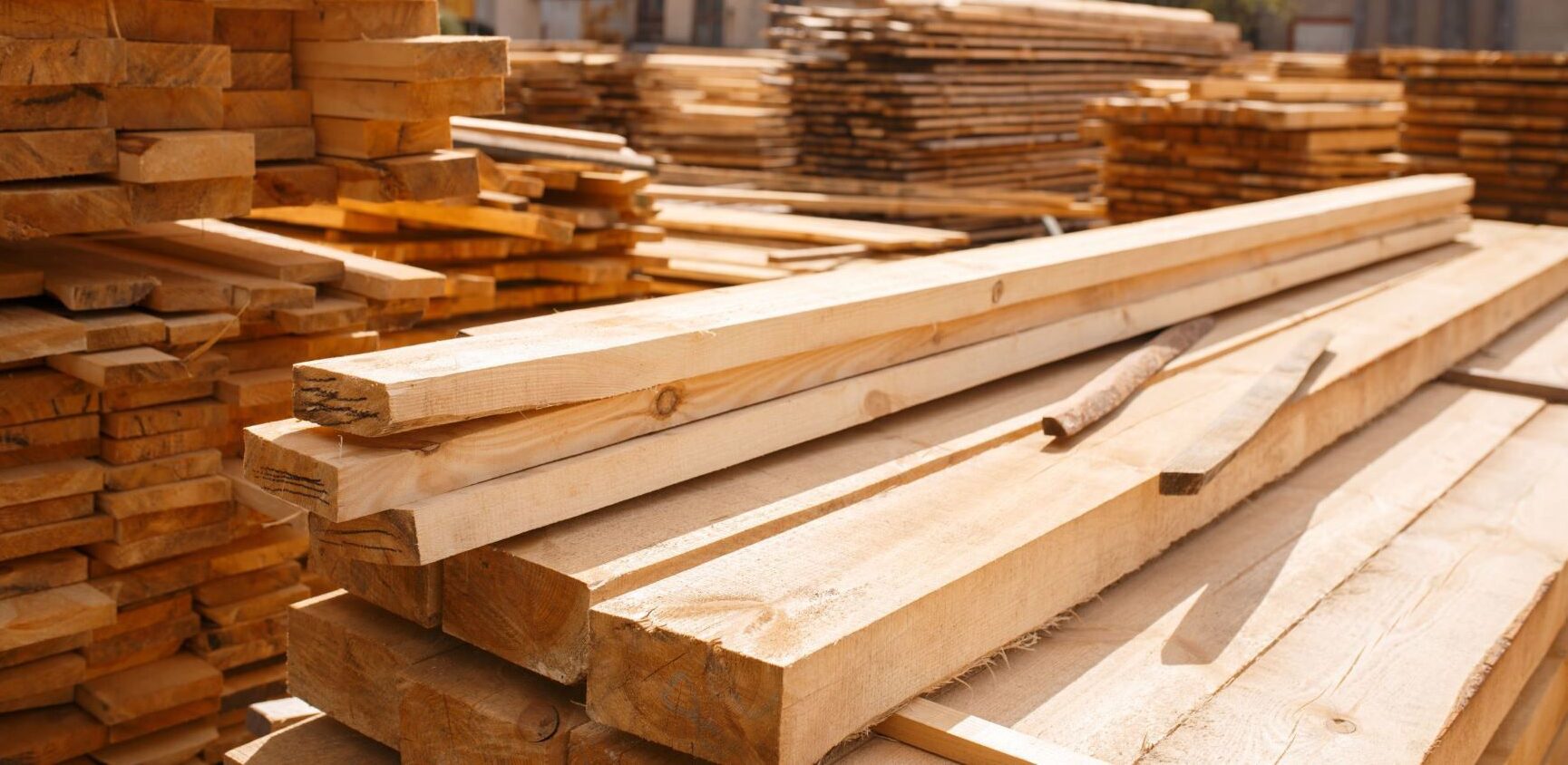
Pine sawn timber
Around 65% of Finland’s forest area is dominated by pine, making it one of the most widely used wood materials, especially in the Nordic countries and Central Europe. Pine wood is particularly suitable for a wide range of construction and interior design projects, thanks to its high heartwood content, consistent appearance, dense annual rings and even moisture content.
Pine is used for interior design, joinery products, construction, manufacturing of windows and doors, boat building, household items, as well as raw material for the log and packaging industries.
At UPM Timber, pine sawn timber is produced at the Alholma sawmill in Pietarsaari, the Kaukas sawmill in Lappeenranta, and in Juupajoki.
Benefits of pine logs
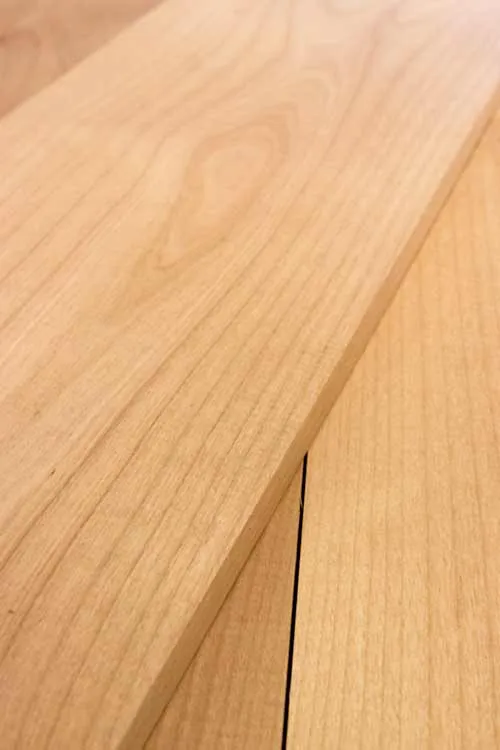
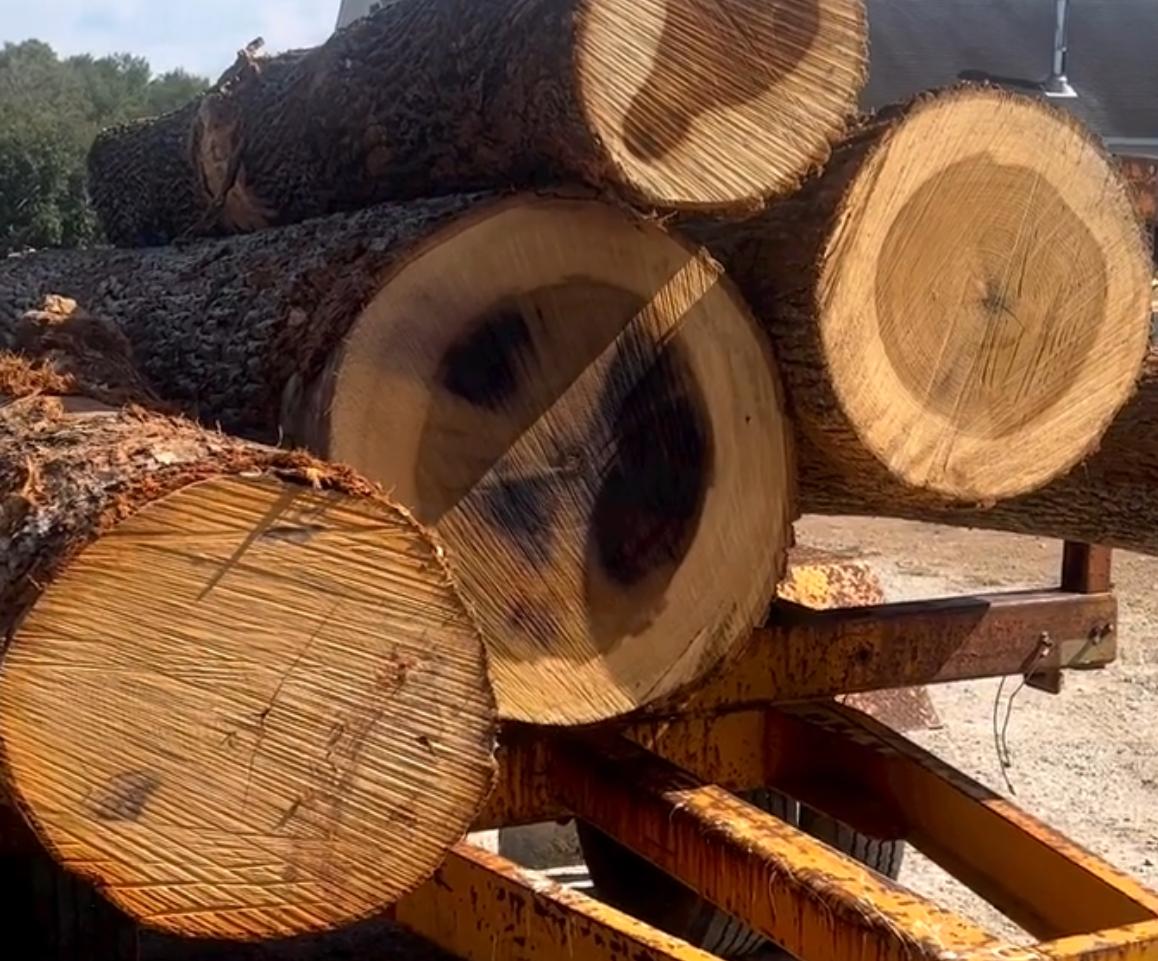
Pine is easy to work with, paint, and glue. The evenly distributed resin in the wood makes the wood surface silky smooth when planed. It also provides natural protection against moisture and heat. The light-colored sapwood of pine is clearly distinguishable from its darker heartwood. Heartwood is naturally resistant to decay and impermeable to water.
When selecting pine timber, it’s important to consider the characteristics of the species and its suitability for the intended use. Appropriate treatment and protection from the elements are key if the wood is to be used outdoors.
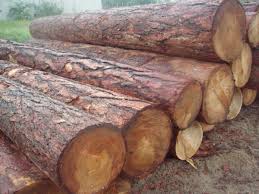
The pine has a broad conical crown, and the base of the trunk is brownish grey. Old trees develop a thick corky bark, which protects the pine against fires, for example. The upper part of the trunk is reddish-brown, and once it reaches the sawmill, it is referred to as redwood, or red wood.
As a tree species of dry soils, pine requires plenty of light to thrive. Pines have distinct whorled branches and lack intermediate branches, unlike spruces. Their deep taproot makes them particularly resilient against storms. In young, cultivated forests, moose, insects, and voles can cause damage to pines, but in general pine trees are very resistant to damage.
Typically, pine trees live for 200–300 years, but in Lapland you can see Scots pine trees that are up to 800 years old. Dead standing pines, known as “kelo,” are valued as building materials in log cabins and for creating other kelo products. The longevity and durability of pine trees make them an essential part of the Finnish forest landscape, industry, and culture.
Reviews
There are no reviews yet.